
Reporting
How to Build a Marketing Report Clients Actually Read
Published on October 15, 2026 · Updated on October 20, 2026
Most reports are ignored because they lead with numbers instead of meaning. Here is a simple framework to fix that.
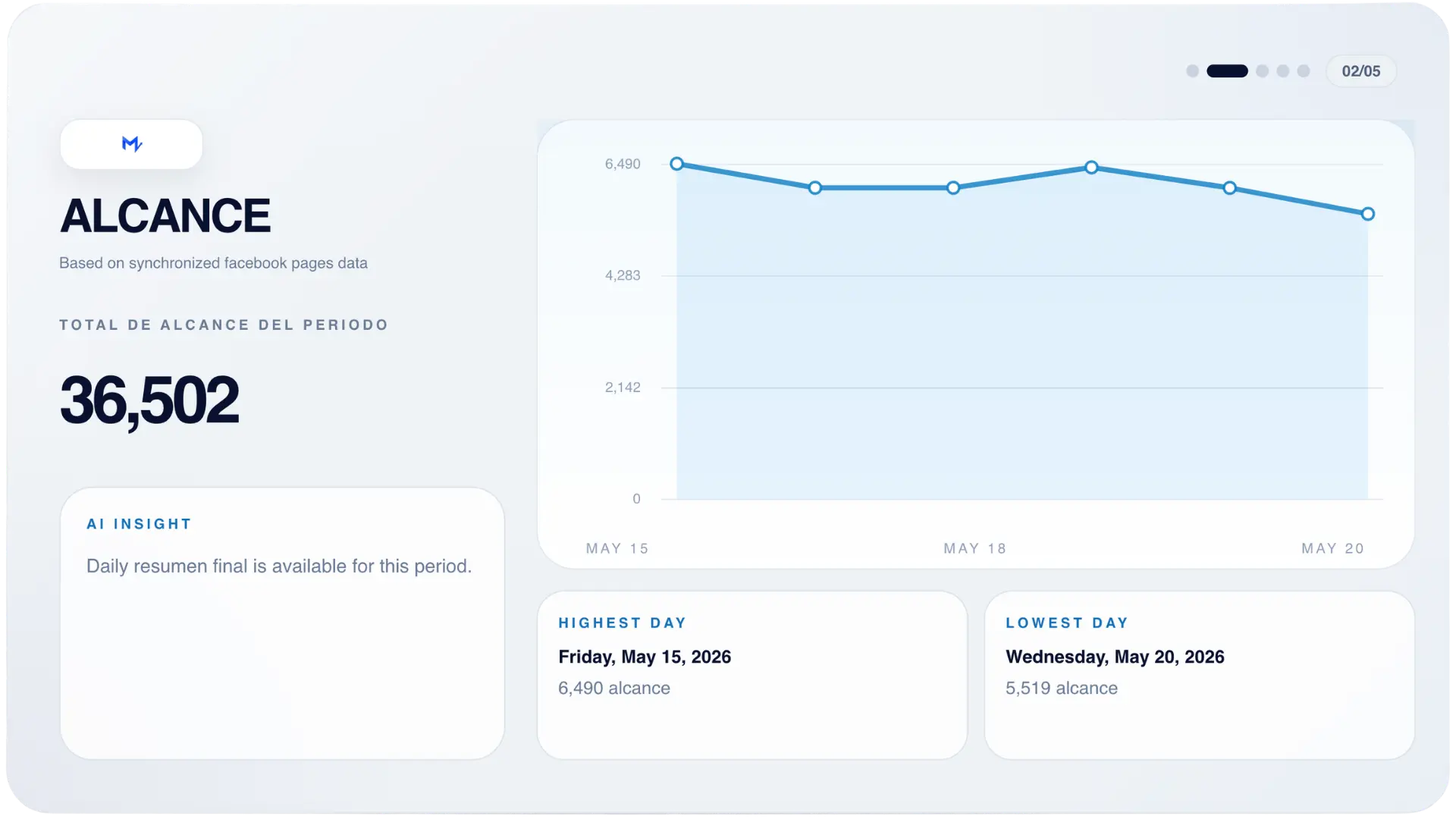
Most marketing reports fail for the same reason: they answer what happened, but never explain what it means.
Start with the decision, not the data
Every report exists to support a next step. Write that next step first, then choose the metrics that prove it. If a number does not change a decision, it belongs in an appendix.
One question per page
Give each page a single question in its headline: which channel grew, which campaign stalled, which audience converted. A client reading fast should understand every page before reading the details.
A structure that survives a busy week
- Summary in five lines: what changed and what you recommend.
- Results: reach, engagement and conversions with the same period comparison.
- Insights: why the change happened, written in plain language.
- Next steps: owner and deadline for each action.
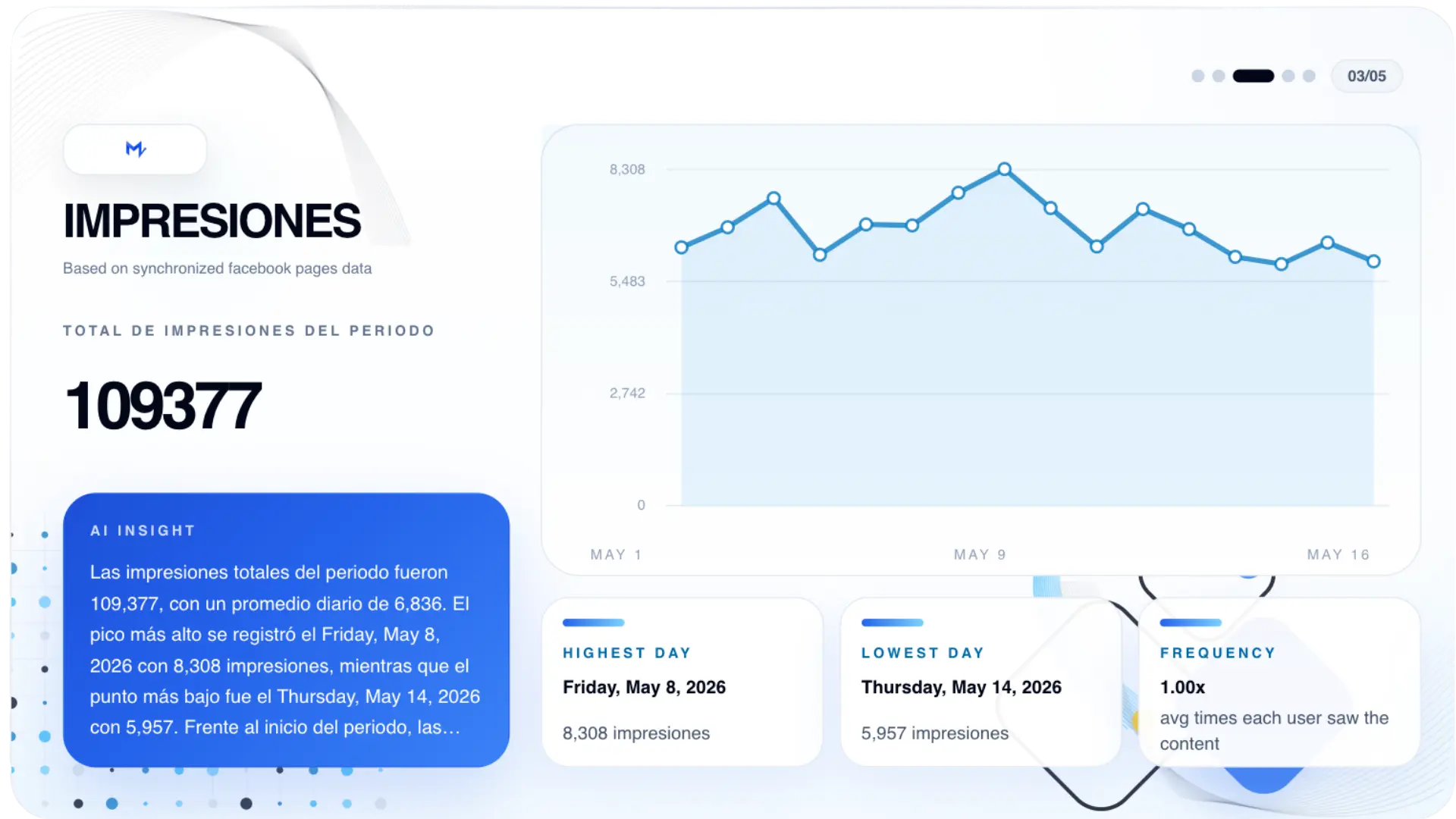
Make it repeatable
A report you can rebuild in minutes beats a perfect report you dread. Save the structure as a template, connect the same sources, and update the narrative each period. With Measurable, this takes three steps: connect your data, choose the template and timeframe, and generate the report.
Consistency is what turns a report into a habit your client trusts.
Frequently asked questions
- How long should a monthly marketing report be?
- Between five and ten pages is enough for most clients: a one-page summary, the channel results, the insights, and the next steps.
- What is the best first page of a marketing report?
- A five-line summary that states what changed, why it changed, and what you recommend doing next. Numbers come on the following pages.